
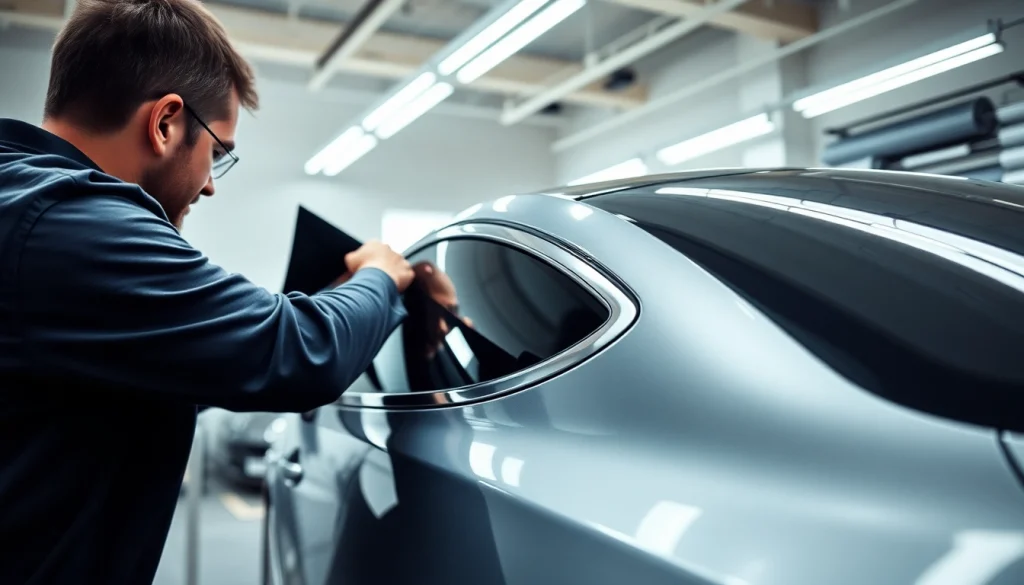
Understanding Auto Window Tinting
What is Auto Window Tint?
Auto window tint refers to a thin film that is applied to the windows of vehicles. This film comes in various shades and types, providing different levels of darkness and protection. It is made from a combination of materials including polyester and adhesive, which are designed to provide durability while adhering to the glass surface of automobiles.
Benefits of Auto Window Tint
Choosing to apply auto window tint offers numerous benefits. Firstly, it significantly reduces heat inside the vehicle, allowing for a more comfortable ride, particularly during hot weather. Secondly, window tint also offers UV protection, blocking up to 99% of harmful ultraviolet rays, which can lead to skin cancer and premature aging while also protecting the car’s interior. Additionally, window tint enhances privacy, making it difficult for onlookers to see into the vehicle, thereby adding a layer of security. Lastly, it can improve the aesthetic appeal of your vehicle, lending a sleek look that many drivers appreciate.
Types of Auto Window Tints Available
There are various types of auto window tints, each with unique properties and benefits. The main categories include:
- Dye-based Tints: These are affordable and come in a variety of shades. However, they can fade over time and may not provide the best heat reduction.
- Metalized Tints: These contain tiny metallic particles that reflect heat and UV rays, offering durability and fade resistance but may interfere with electronic signals.
- Ceramic Tints: A newer technology, ceramic tints provide excellent heat reduction, UV protection, and durability without interfering with signals, though they tend to be pricier.
- Premium Tint Films: These include a combination of multiple layers for enhanced performance, longevity, and aesthetic appeal.
Choosing the Right Auto Window Tint Near Me
Factors to Consider When Selecting Tint
When selecting the right auto window tint near me, several factors should be taken into account. Firstly, consider the local climate; for instance, regions with high sun exposure may benefit from films that provide better UV protection. Secondly, check local regulations regarding tint darkness and reflective properties to avoid legal issues. Additionally, think about your privacy needs and whether you prefer a darker shade for added security. Finally, evaluate the aesthetic value you desire, as different tints can vastly change the appearance of your vehicle.
Finding Quality Installers Near You
Finding a qualified installer is crucial for ensuring a high-quality application of your auto window tint. Start with auto window tint near me searches to locate local experts. Check online reviews and testimonials to gauge their reputation. It’s also beneficial to ask for recommendations from friends or family who have had successful tinting experiences. Once you have a shortlist, inquire about their installation process, warranty offerings, and whether they use high-quality materials.
Cost Considerations for Auto Window Tint
The cost of auto window tinting can vary widely based on several factors, including the type of film chosen, the size of the vehicle, and the installer’s expertise. On average, prices may range from $100 to $400 or more. Additionally, keep in mind that higher-quality films may require a larger upfront investment but can save on replacement or maintenance costs in the long run due to their durability.
Installation Process of Auto Window Tint
Step-by-Step Tinting Procedure
The installation of auto window tint typically follows a systematic procedure:
- Preparation: The installer cleans the windows thoroughly to remove any dirt, grime, or grease.
- Film Cutting: The tint film is carefully measured and cut to fit each window accurately.
- Application: The film is applied with a special adhesive to ensure a firm bond with the glass.
- Smoothing: Bubbles and creases are smoothed out to avoid imperfections.
- Curing: The film is left to cure for a specific period to secure its placement.
Common Mistakes During Installation
Common mistakes during the installation process can result in subpar film performance or visual defects. Poor surface preparation can lead to air bubbles trapped beneath the film. Additionally, cutting the film incorrectly can cause an improper fit, resulting in peeling at the edges. It is essential to avoid rushing through the process, as thorough attention to detail is critical for achieving optimal results.
Maintaining Your Window Tint
Proper maintenance is essential for preserving the appearance and longevity of your auto window tint. After installation, it is generally recommended to wait at least 48 hours before rolling down the windows to allow the tint to set properly. When it comes time for cleaning, use a soft cloth and gentle cleaning solutions to avoid scratching the film. Avoid ammonia-based cleaners, as they can damage the film. Regularly checking for any signs of peeling or bubbling is also advisable, as this can help address issues before they worsen.
Legal Considerations for Window Tinting
Understanding Tinting Laws by State
Auto window tinting laws vary by state, impacting both the amount of light that must pass through the tinted windows and the reflectiveness of the film. It is crucial to research and understand local regulations regarding window tinting before installation. Many states have specific requirements based on the vehicle’s windows, with restrictions on the front windshield, front side windows, rear side windows, and the back window. Checking with local motor vehicle departments can provide clarity on what is permitted in your area.
Consequences of Illegal Tinting
Installing window tint that does not adhere to state regulations can lead to fines, penalties, and even having to remove the tint altogether. In some cases, law enforcement may issue tickets or citations for illegal tint levels, resulting in additional costs and inconvenience for the driver. Being aware of and following local laws can prevent such issues.
What to Do If You Get Pulled Over
If you find yourself pulled over for having illegal window tint, it is essential to remain calm and cooperative. The officer may check your vehicle for compliance with local tint laws. If your tint is found to be illegal, you may be issued a citation. In such cases, it is advisable to rectify the issue promptly by either removing or replacing the tint with a compliant option to avoid further legal troubles.
Frequently Asked Questions about Auto Window Tint
How long does window tint last?
Auto window tint can last from 5 to 15 years, depending on the quality of the film used and maintenance practices. Higher-end films tend to offer longer longevity.
Can I remove window tint myself?
While it is possible to remove window tint yourself, it can be challenging. Professional removal is recommended to prevent damage to the windows.
Will window tint affect visibility?
When applied correctly, window tint shouldn’t negatively impact visibility. Higher-quality films are designed to maintain clarity while reducing glare.
Is professional installation necessary?
While DIY installation is an option, professional installation is recommended to ensure proper application and adherence to local regulations.
How much does auto window tint cost?
The cost of auto window tint installation typically ranges from $100 to $400, depending on the type of film and the size of the vehicle.